
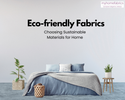
Eco-friendly Fibers: Choosing Sustainable Materials for the Home
, by Team LG, 5 min reading time
, by Team LG, 5 min reading time
Sustainability in home décor is no longer just a trend—it is a lifestyle choice. From the furniture on which we sit to the curtains framing our windows, fabrics directly affect health and the planet. Most traditional textile production involves excessive water use, chemical dyes, or synthetic blends that lack biodegradability. Eco-friendly fabrics, on the other hand, are created using renewable resources, natural dyes, and environmentally safe methods.
Choosing sustainable fabrics ensures that your home is chic, highly durable, and on the side of a greener future.
Direct Environmental Reasons
Due to natural or recycled fibers, their carbon footprint is lower.
Another set of benefits relates to less use of chemicals and fewer toxins released into the environment.
Biodegradability also leads to less fabric being dumped into landfills.
Health and Wellness
The presence of non-toxic materials will improve indoor air quality.
Choices with hypoallergenic options like organic cotton and bamboo should be ideal for sensitive skin.
Durability and Value
These fabics are generally known to be a bit stronger and last longer.
Frequent replacing is given away by virtue of their durability, turning them costlier in the long run.
The most used furnishing of most homes is usually the sofa, and the fabric choice for the sofa is very important. Eco-sofa materials serve the purpose of balancing comfort, durability, and aesthetics.
Top Options for Sustainability:
Organic Cotton: Pesticide-free and free from synthetic fertilizers. Soft but strong.
Hemp: Among the strongest fibers in existence; naturally resists mold and UV damage.
Recycled Polyester: The making of rPET involves recycling plastic bottles.
Cork Leather Alternatives: A sustainable alternative that looks just like leather.
Best Practices:
Whenever you choose eco-friendly sofa fabrics, consider GOTS-certified cotton or blends with recycled fiber. Removable covers can be washed, extending the sofa's life and eliminating or minimizing the need for professional cleaning.
The chairs, whether dining, office, or lounging ones, require robust materials whose uses can be diversified in the building's daily uses. Eco-friendly chair textiles thus provide the ideal mixture of practicality and sustainability.
Top Sustainable Options:
Linen: From flax plants, it breathes, biodegrades, and is handsome.
Bamboo Textiles: Renewable and naturally antibacterial, making them perfect for dining chairs.
Wool: Renewable, insulating, and apt for long use when responsibly sourced.
Upcycled Fabrics: Textiles repurposed from production wastes lessen the effect on landfills.
Best Practices:
For eco-friendly chair fabrics, durability counts. Choose fibers that stand up to wear; then pair these with strong wooden or recycled metal frames to create seating that lasts long in service.
Curtains clinch style and factors of light control, insulation, and energy savings. If you want to, & lead; an eco-friendly curtain fabric would fit the bill for a greener, healthier interior.
Highest in Sustainable Choices:
Organic Cotton Drapes: Versatile, washable, and chemical-free.
Linen Curtains: Impart a breezy, natural look while lightly filtering sunlight.
Recycled Blends: Promote style with lowered impact on nature.
Wool Drapes: Naturally insulative for a colder environment.
Best Practices:
In a warm, sunny country, select light cotton or linen to facilitate airflow, while for cool countries, opt for wool or hemp curtains, as they will insulate well and might keep you off the heater a bit. Otherwise, choose eco-friendly curtain fabrics suitable for your climate.
Certifications to Look For
When shopping for sustainable fabrics, look for these trusted certifications:
GOTS (Global Organic Textile Standard): Agrees to the production of organic fiber.
OEKO-TEX Standard 100: Test fabric for harmful substances.
These labels mean the following:
Cradle to Cradle: Confirms recyclability and biodegradability.
Fair Trade: Ensures ethical labor practices.
Mix and Match: Use different fabric combinations that balance style with sustainability, aside from cotton for the sofas, linen for the curtains, and wool for the chairs.
Consider Maintenance: Washable fabrics reduce teaching and harsh cleaning chemicals.
Support Local Artisans: Locally made and handcrafted fabrics generally have lower carbon footprints.
End Thoughts
Sustainability begins with small but meaningful choices, and your house is home to many of these. An eco-friendly alternative sofa fabric, eco-friendly chair fabric, and eco-friendly curtain fabric are all elements you can use to create healthy interiors, age gracefully, and are more friendly to the environment.
While eco-friendly textiles aesthetically uplift your interiors, they simultaneously mirror a conscious lifestyle wherein comfort exists side by side with responsibility. Every fabric choice is a step toward a greener future.